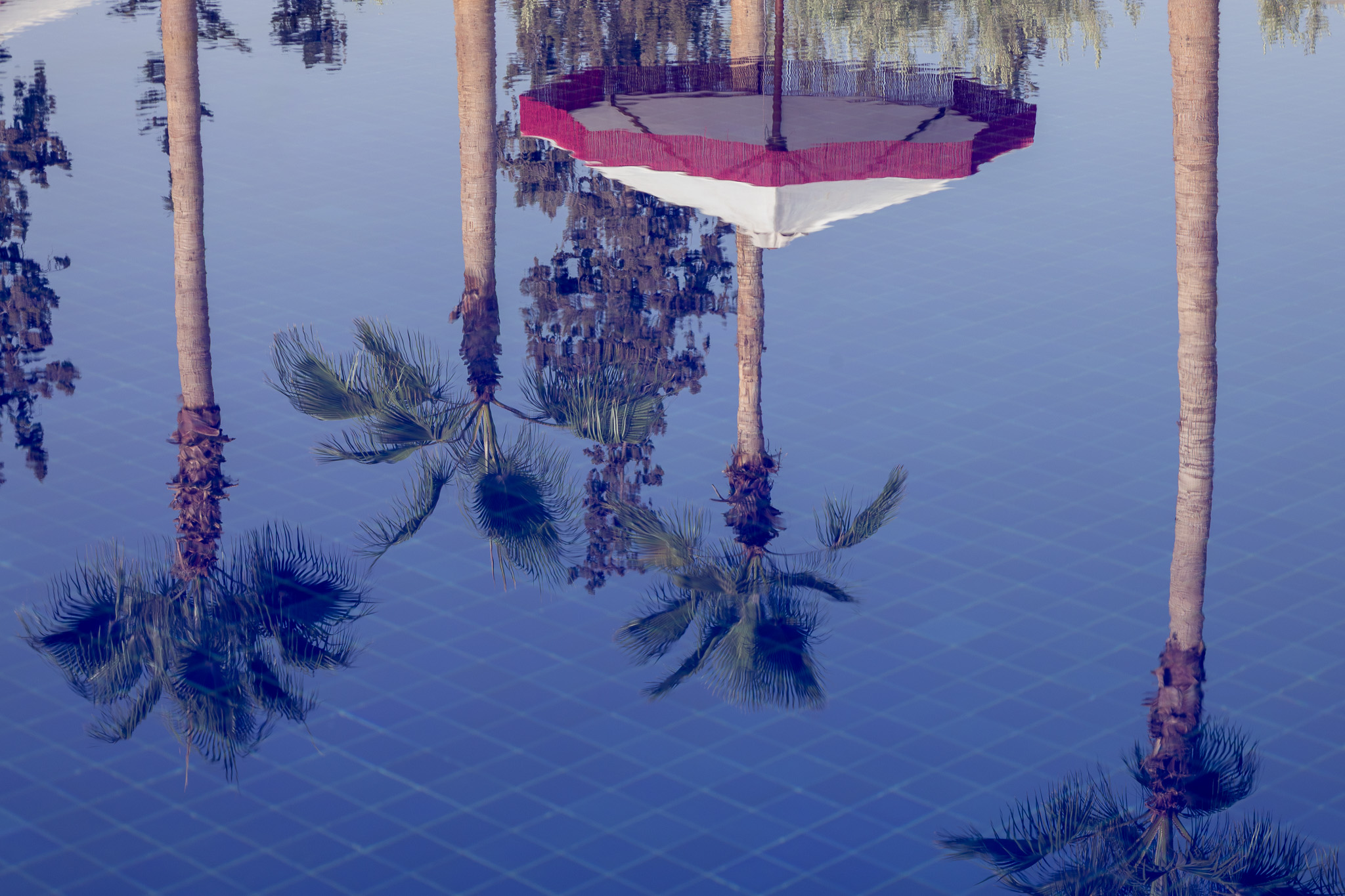
There is a particular silence that only the very best hotels know how to create. Not the absence of sound, but the presence of calm. I found it the moment the gates of The Oberoi Marrakech closed behind me, and the ochre chaos of the medina gave way to something else entirely, eleven hectares of cultivated stillness, unfurling like a secret at the foot of the High Atlas.
I have walked into a great many palaces that call themselves that in name only. This one earns the word.
An Architecture Born of Memory
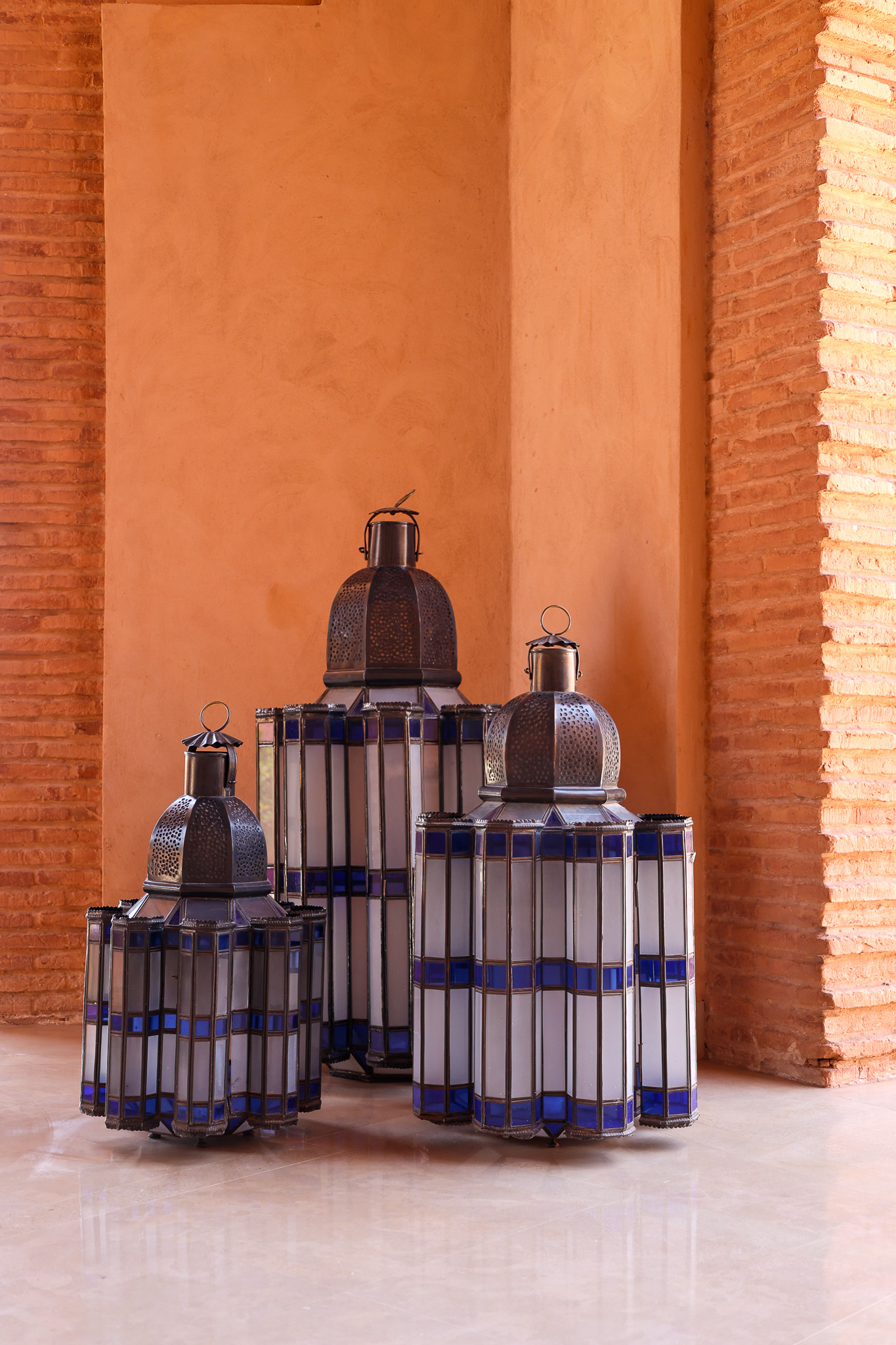
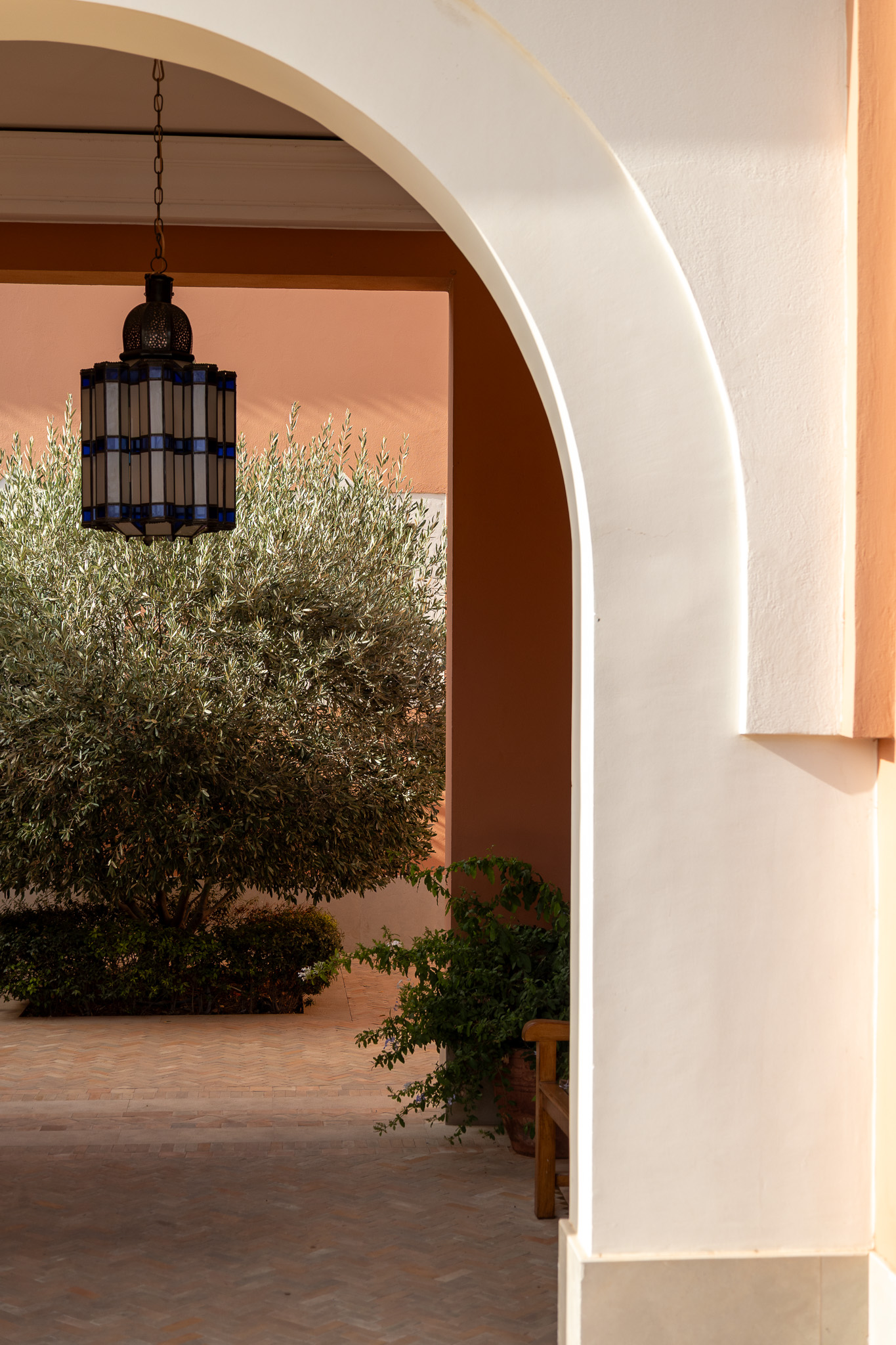
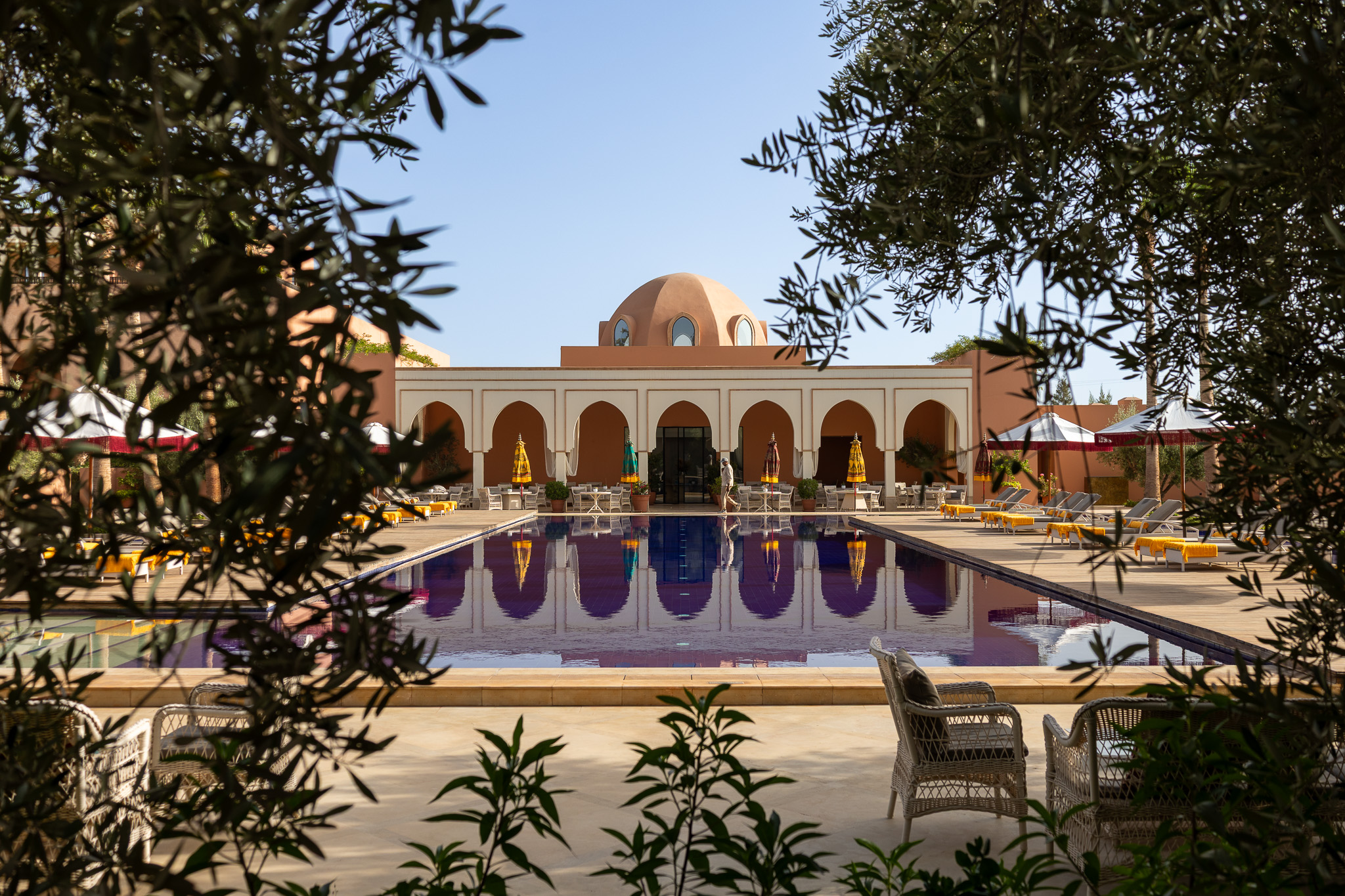
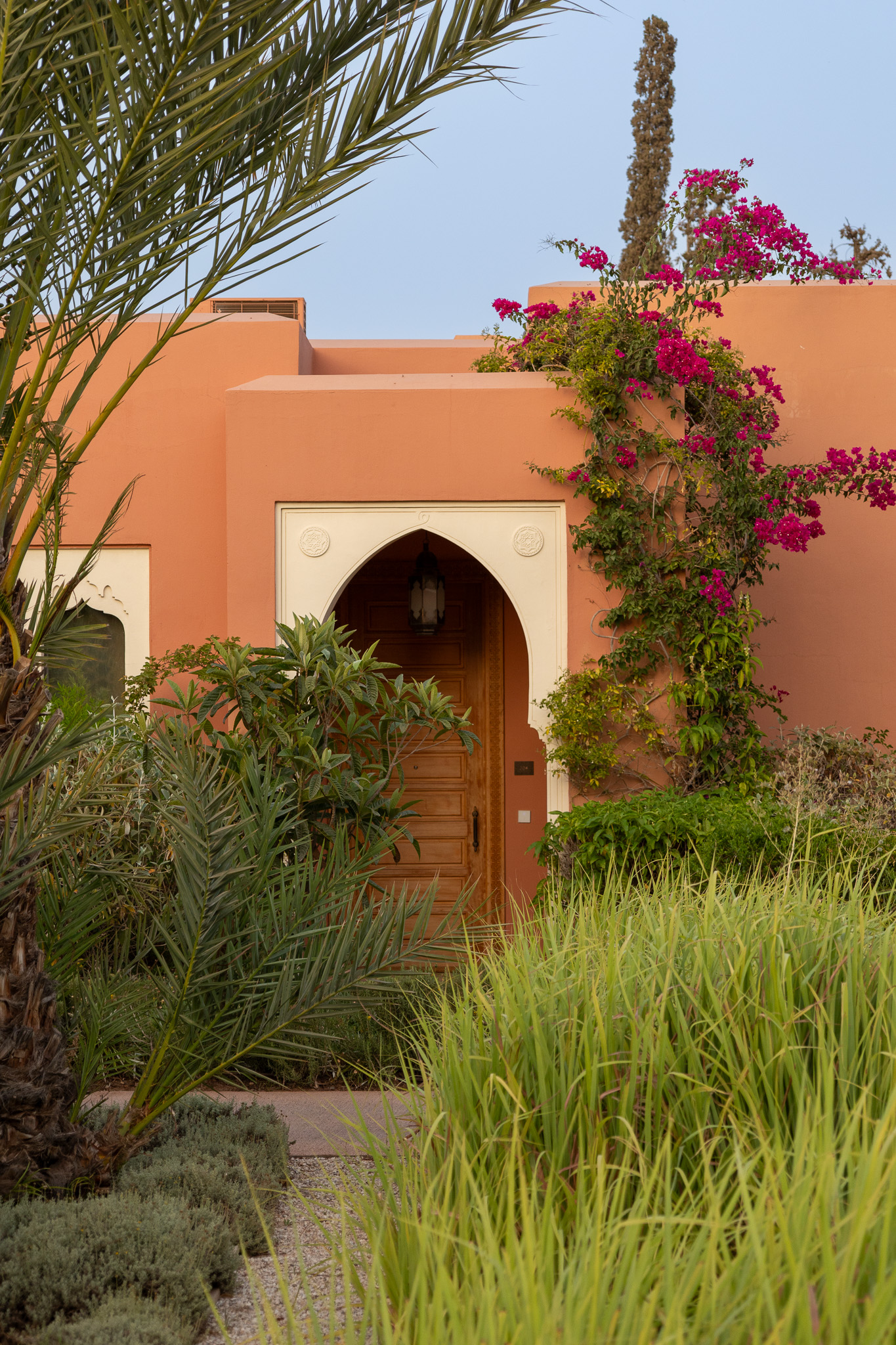
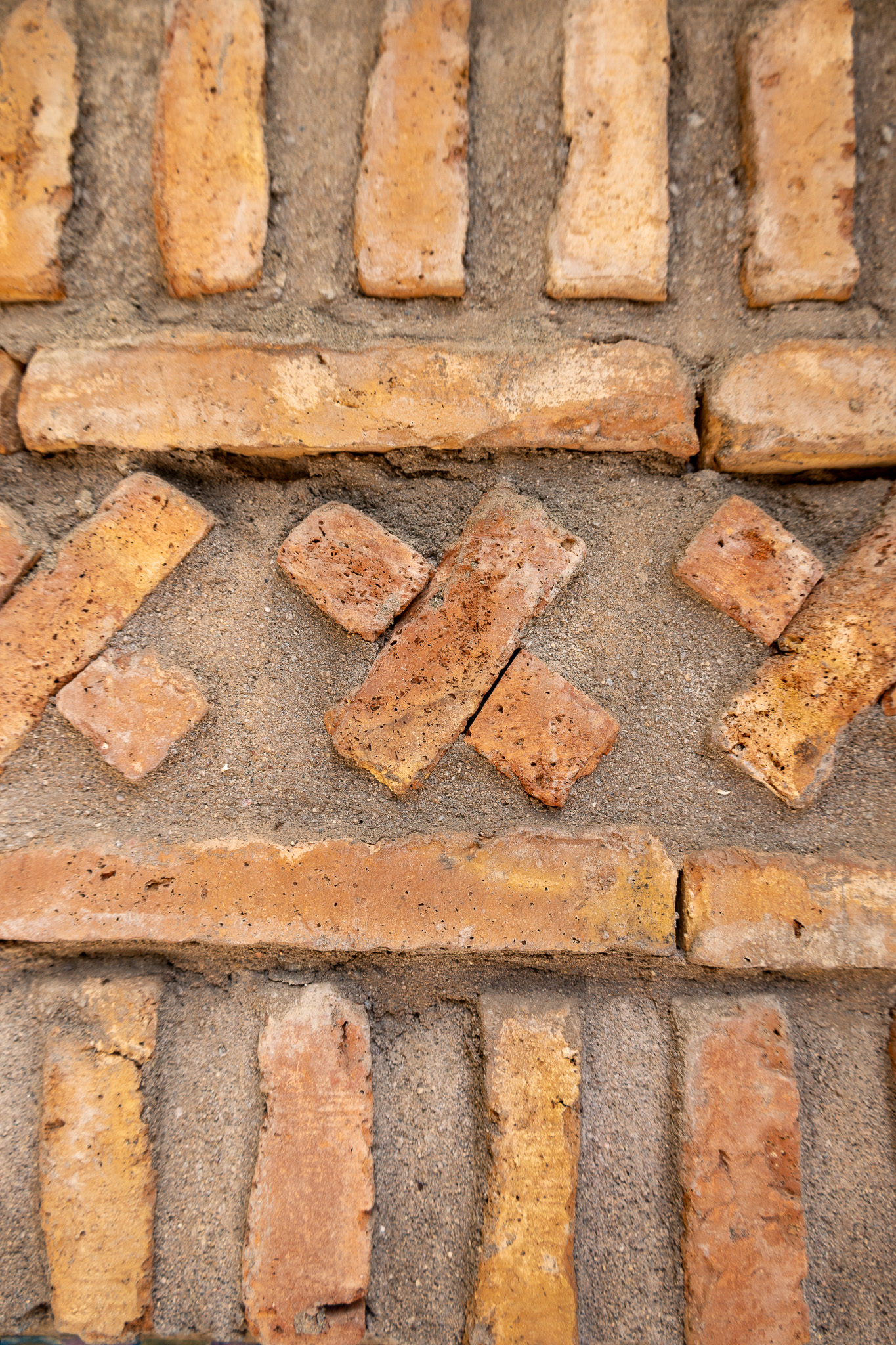
The genius of The Oberoi Marrakech is that it does not attempt to reinvent Morocco, it remembers it, precisely and lovingly. The property, which opened its doors in 2019 and was crowned Best Resort in North Africa and the Middle East by Travel + Leisure in 2022, draws its architectural language from the great medersas of the fourteenth century, those scholarly sanctuaries where geometry itself seemed to pray. Here, that same devotion to pattern and proportion has been reborn in carved cedar, in hand-cut zellige tile arranged with the patience of monks, in walls of raw stone that hold the day's heat and release it slowly, like a long exhale, come evening.
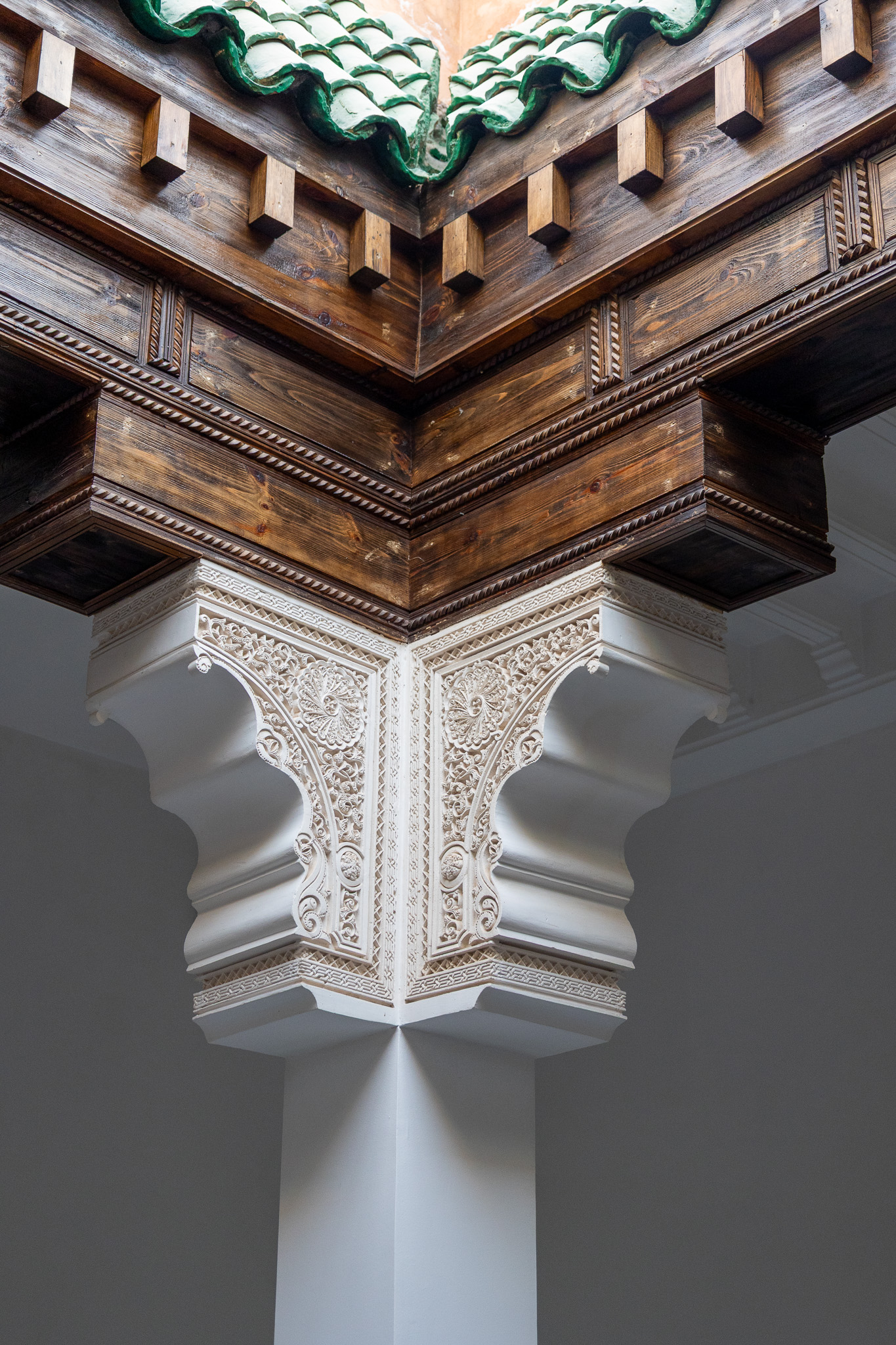
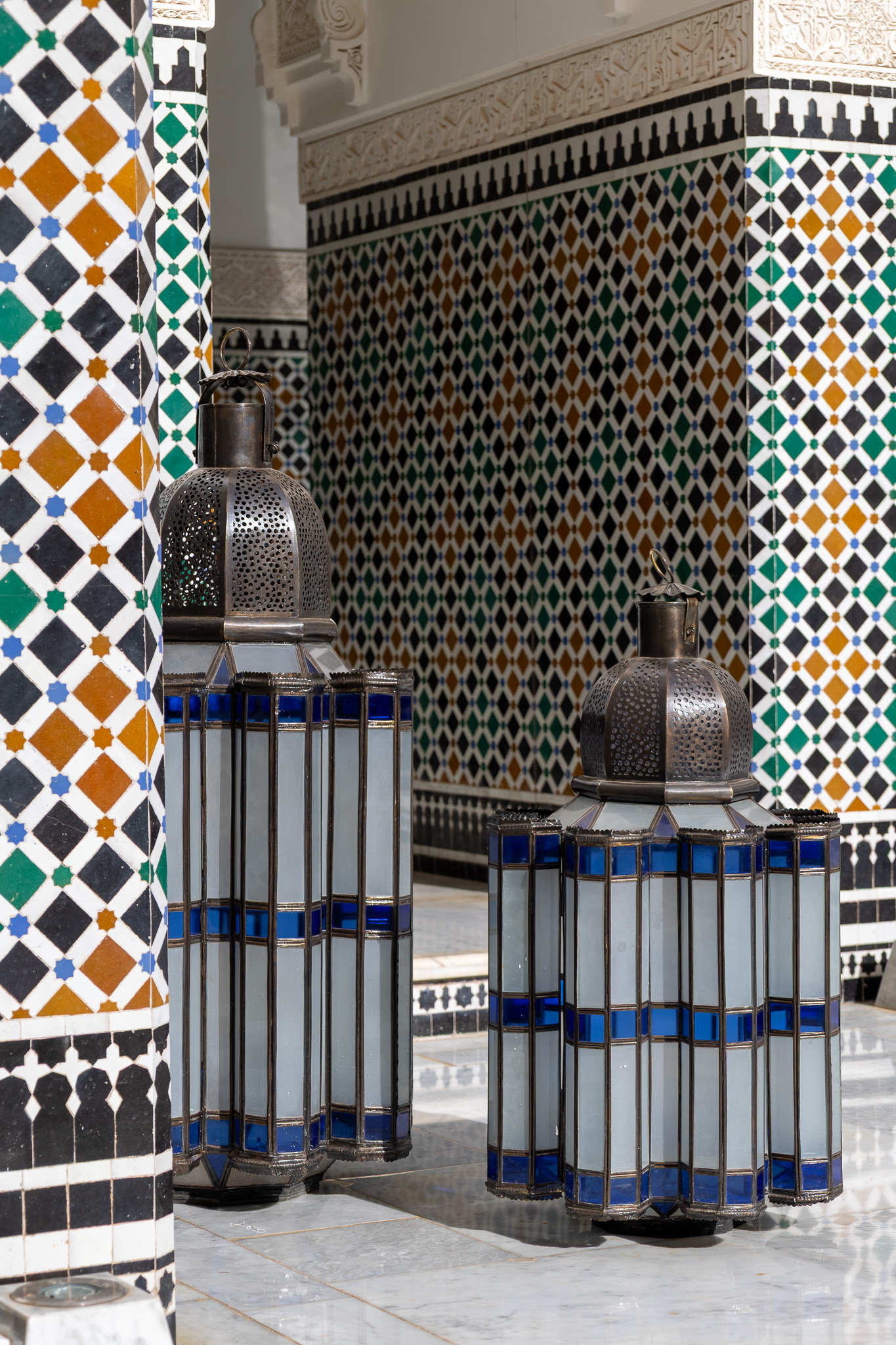
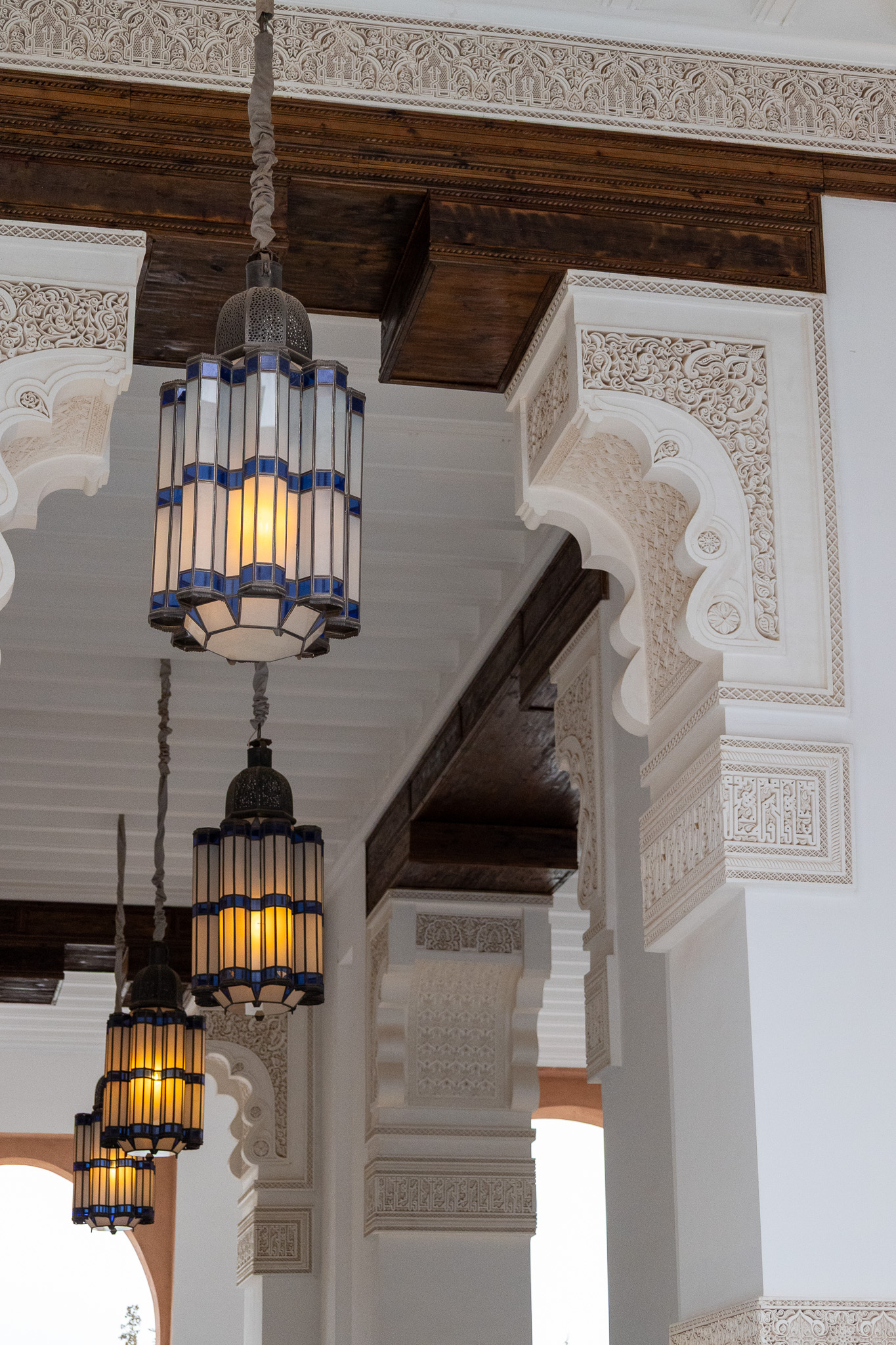
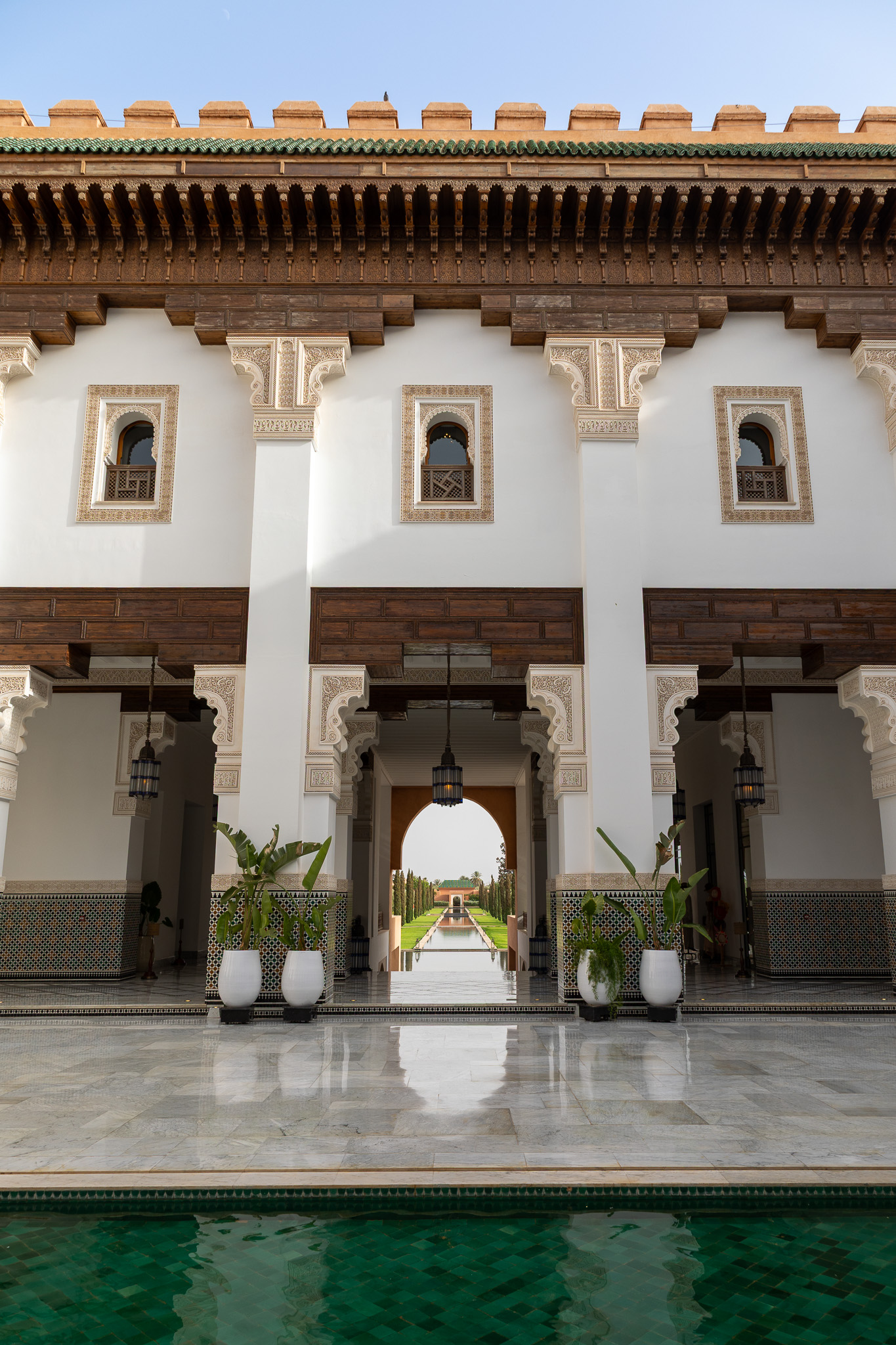
Nothing here is applied ornament. Every surface was made by a hand that knew what it was doing, and knew why. Moroccan artisans, the maalems whose guilds stretch back centuries, worked this palace the way one carves a single, monumental gem, slowly, and with reverence for the material. The effect is not opulence in the modern, glossy sense. It is gravity. It is a building that feels as though it has always been here, waiting for the right guests to find it.
A Private Eden
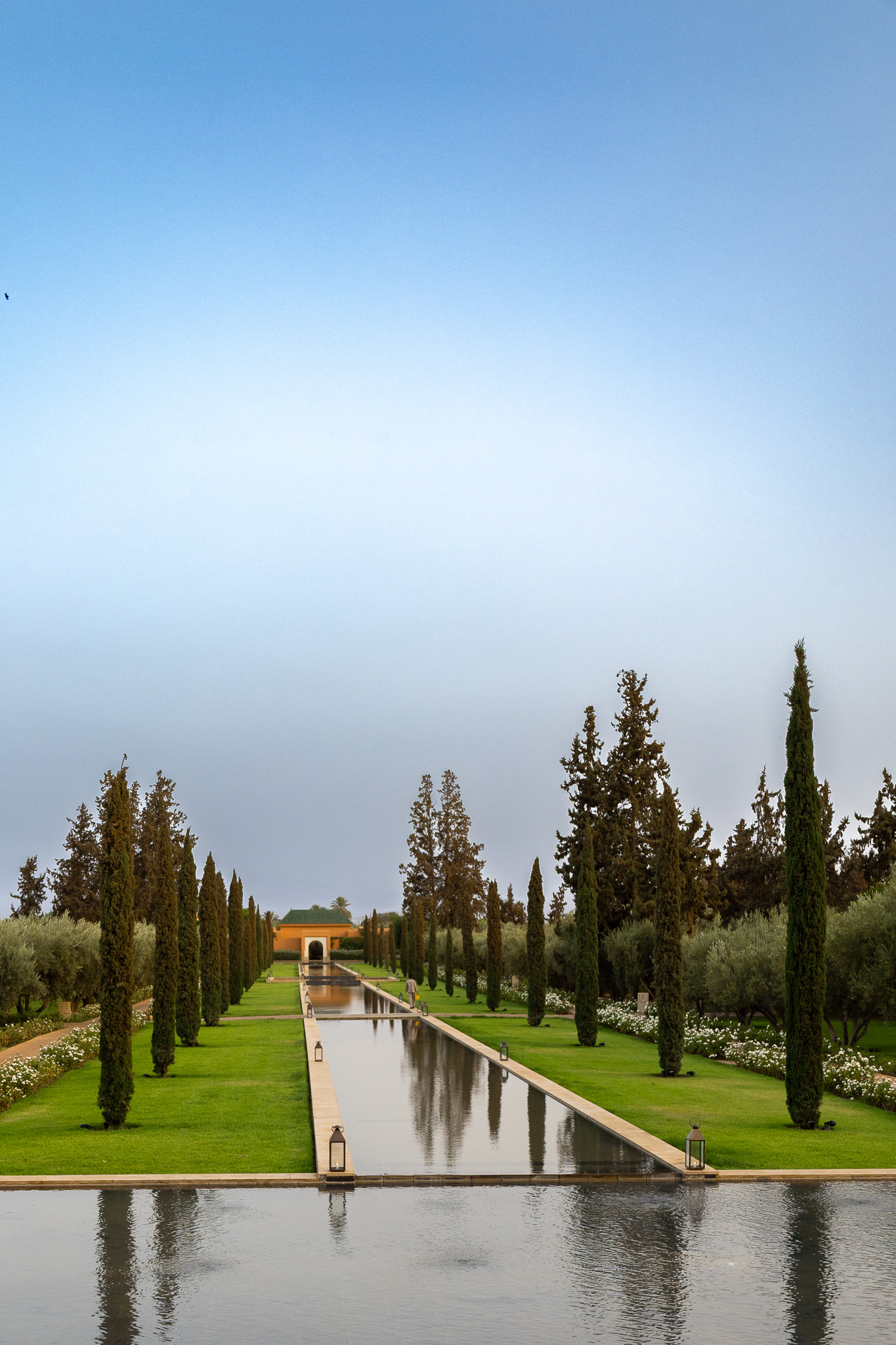
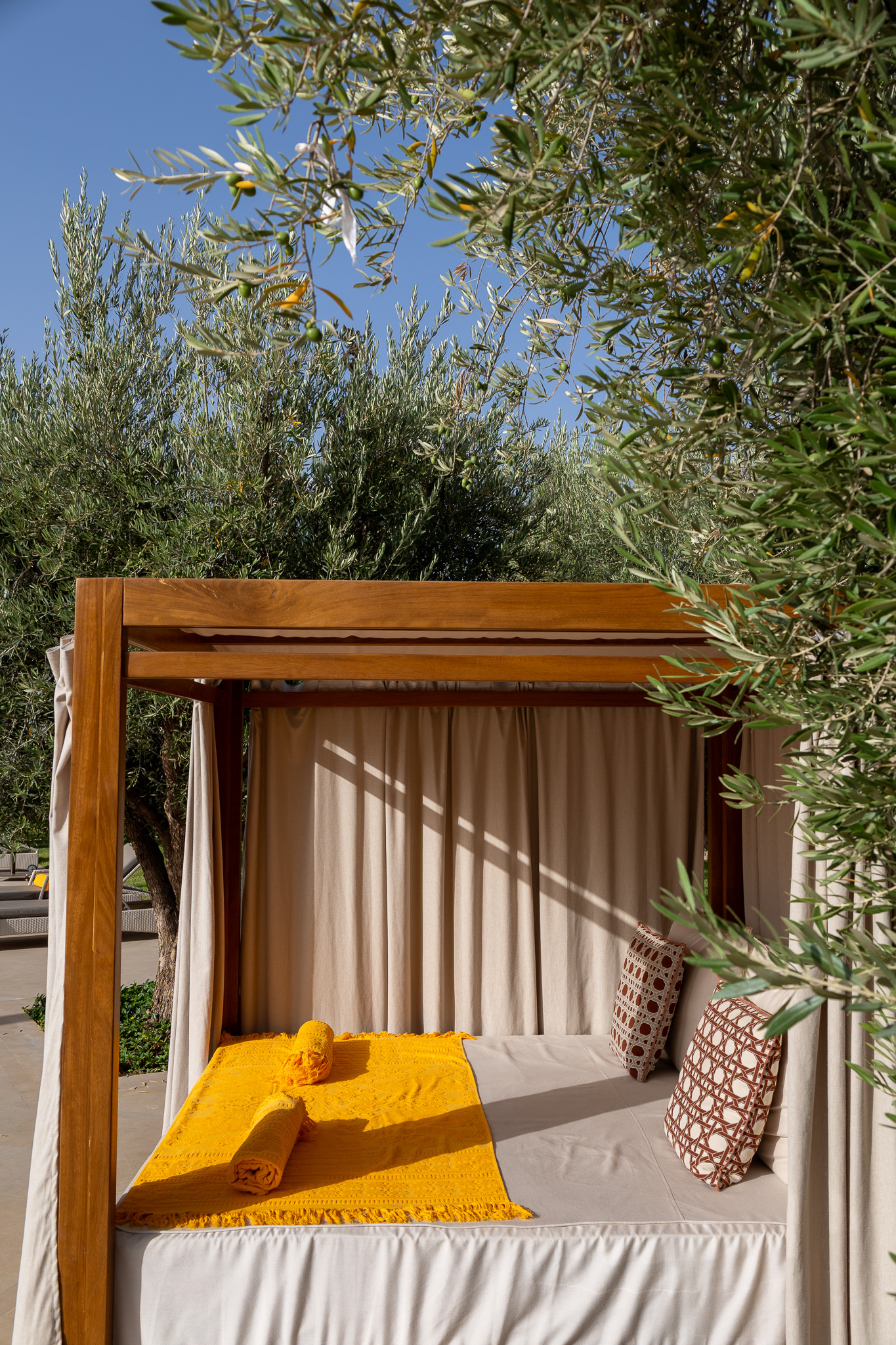
Step past the threshold and the desert theatrics of Marrakech dissolve into green. More than 3,500 olive trees and 2,500 orange trees compose the grounds, not landscaping in the decorative sense, but an actual, breathing orchard-garden, structured with the same logic as the great riads of Andalusia. Water threads through it everywhere, in long reflecting channels, in fountains that murmur rather than announce themselves, in the soft percussion of drops falling from carved stone basins.
To walk these gardens at dusk, when the light turns the color of saffron and the scent of orange blossom thickens in the warm air, is to understand something essential about Moroccan luxury, it has never been about spectacle. It is about the slow accumulation of sensory pleasure, a fragrance here, a shadow there, the particular blue of a zellige tile catching the last of the sun. I found myself deliberately slowing my pace through these grounds, the way one lingers over the final pages of a beautiful book, unwilling to let it end too quickly.
The Villa, A Kingdom of One's Own
The true privilege of The Oberoi Marrakech reveals itself in its scale of intimacy. The main building holds just seven suites. Scattered through the gardens beyond are 77 private villas, each one its own self-contained world, hidden from its neighbors by hedges, walls, and the sheer generosity of space the property allows itself.
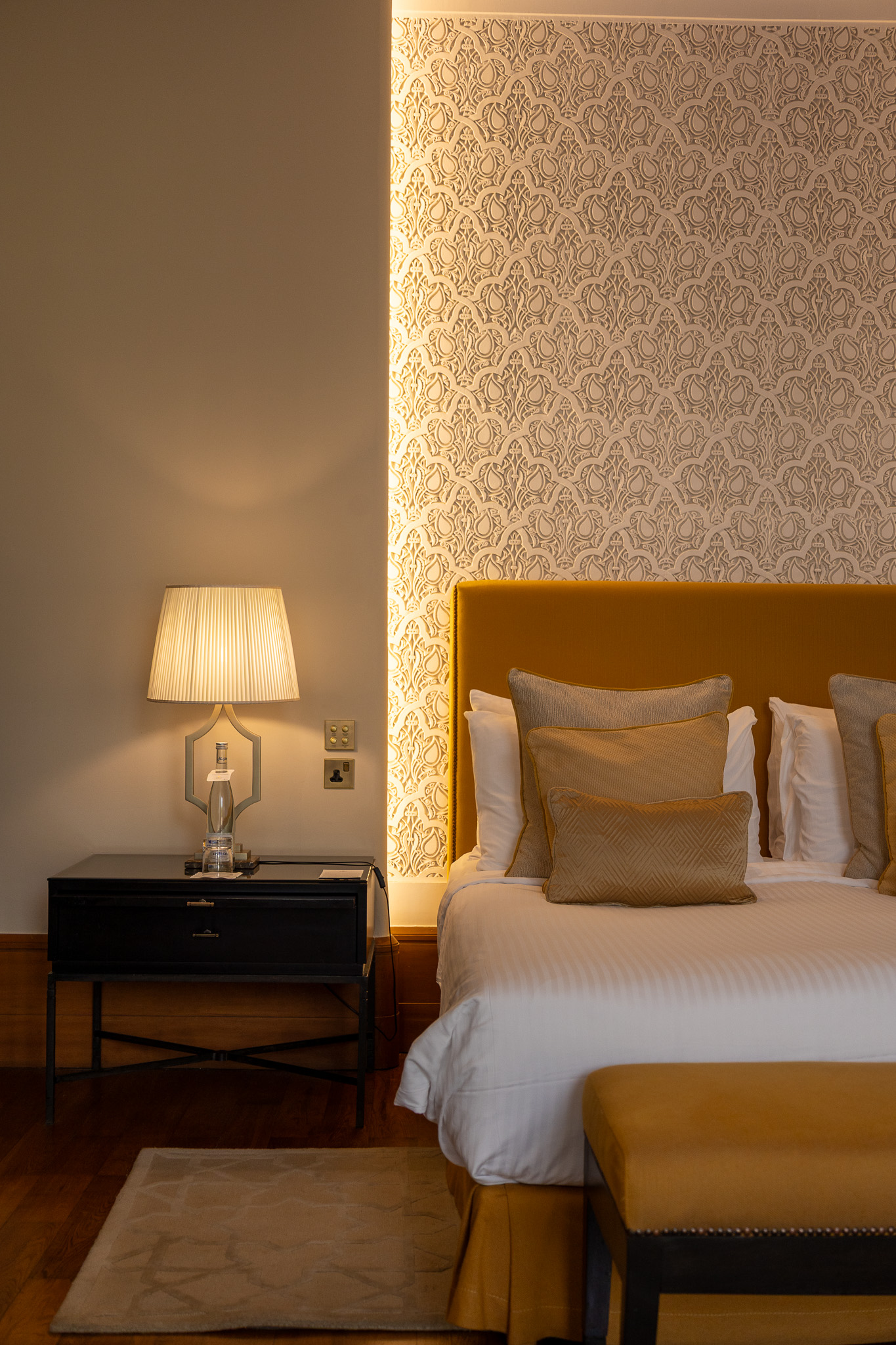
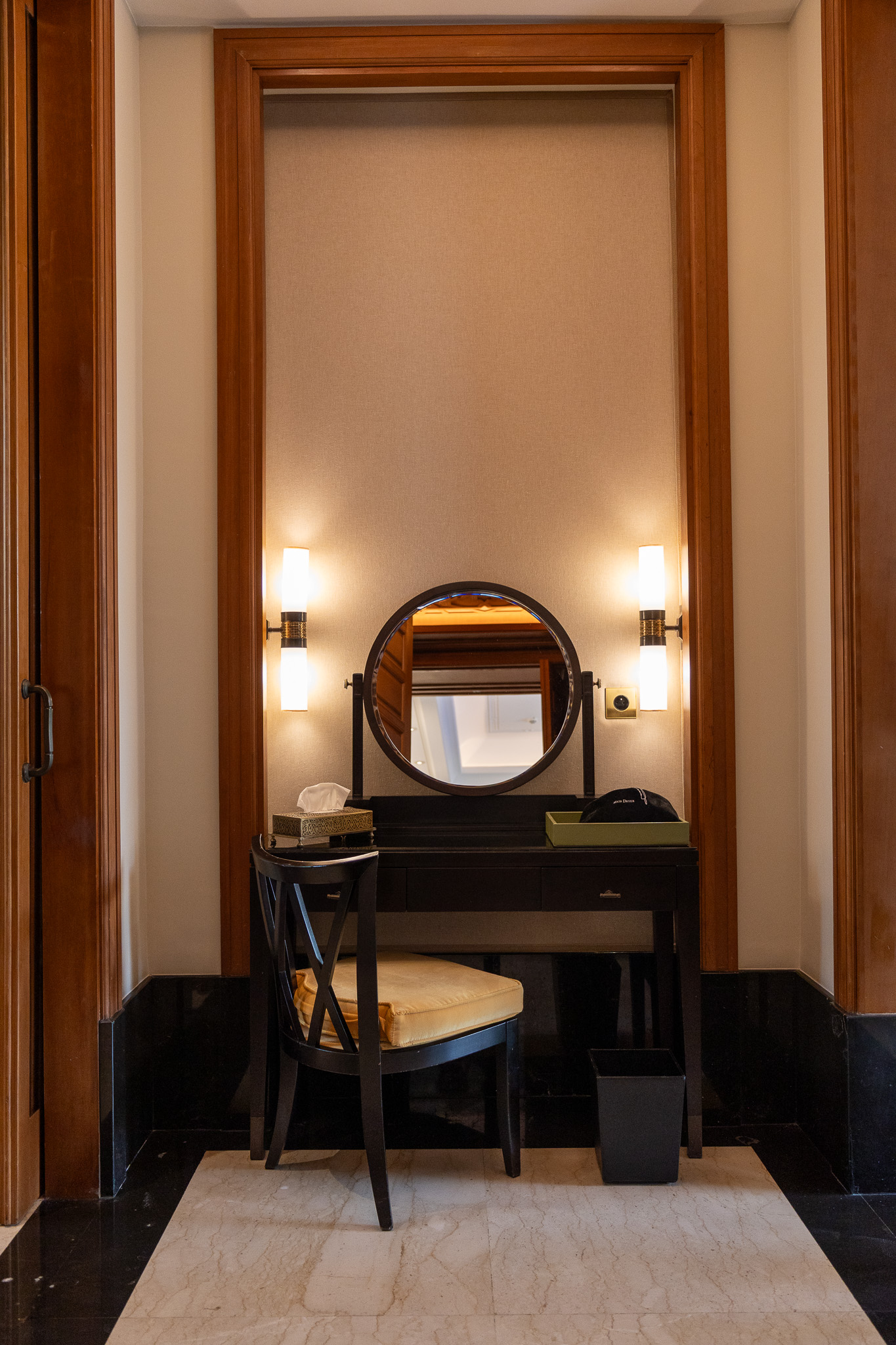
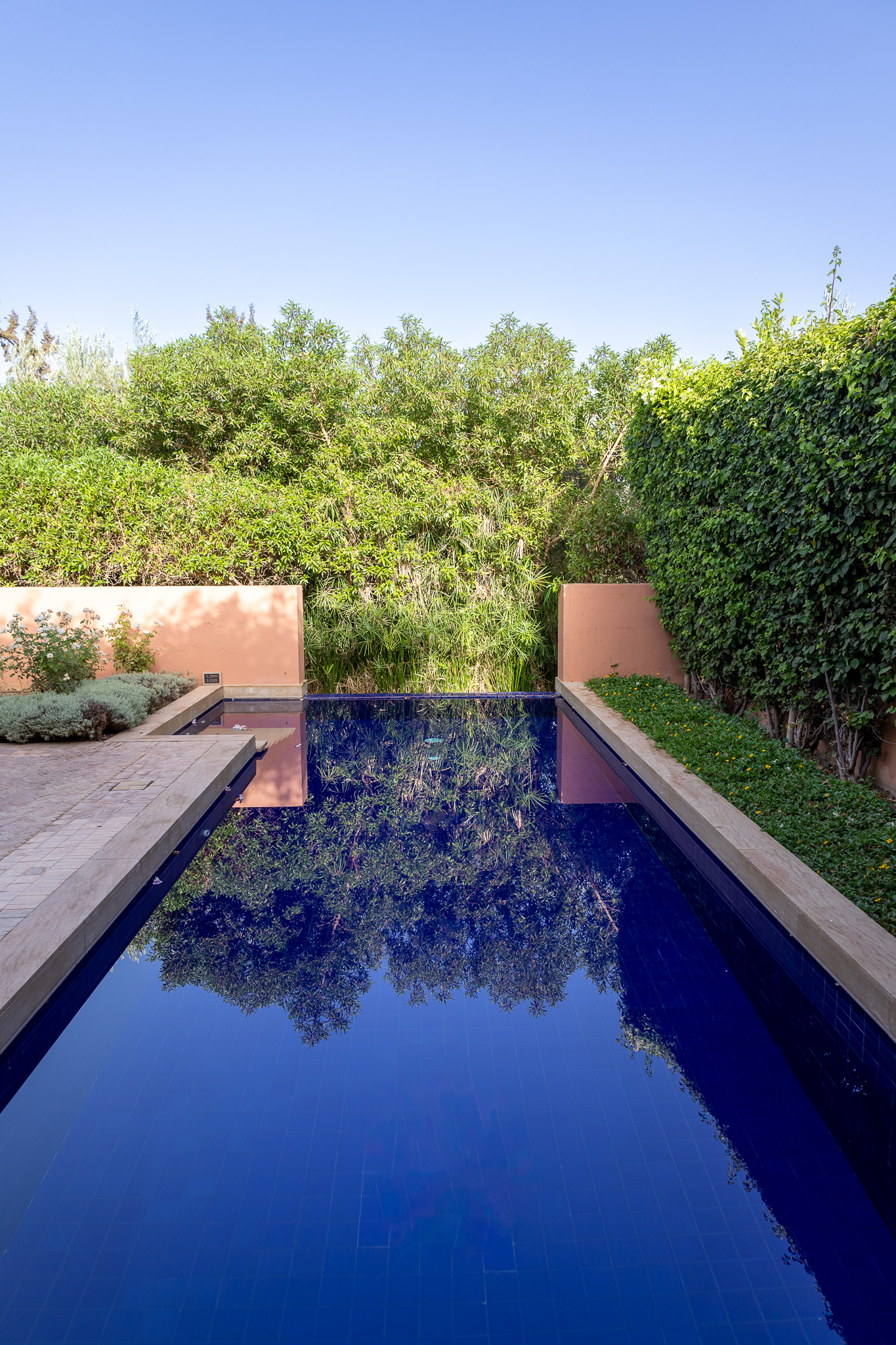
I stayed in one of the pool villas, and from the moment I crossed its threshold, the outside world, and indeed the rest of the hotel, simply ceased to exist. Carved wooden screens filtered the afternoon light into lace-like patterns across the floor. Berber rugs, deep and textural, softened every footstep. A private plunge pool, heated to an exact and unhurried warmth, sat waiting in a walled courtyard scented with jasmine, visible from the bed through a wall of glass that seemed to erase the boundary between interior and garden altogether.
This is luxury measured not in square footage, though there is plenty of that, but in the rarer currency of solitude. No neighboring terraces. No shared pathways. Only the particular hush of a private world, punctuated occasionally by birdsong, or the distant, barely-there sound of a fountain three gardens away. It is the kind of privacy that lets you forget, briefly and completely, that you are a guest at all, and remember instead what it might feel like to actually live this way.
A Kingdom of Flavor
Gastronomy at The Oberoi Marrakech is not an amenity. It is a second itinerary, layered over the first, and every bit as considered.
At Siniman, the hotel's homage to Moroccan cuisine, tradition is treated with the seriousness it deserves, tagines and grills built on generations of technique, but plated with a lightness of hand that feels utterly contemporary. Each dish reads like a small essay on a spice route, cumin, saffron, preserved lemon, ras el hanout, deployed with restraint rather than excess.
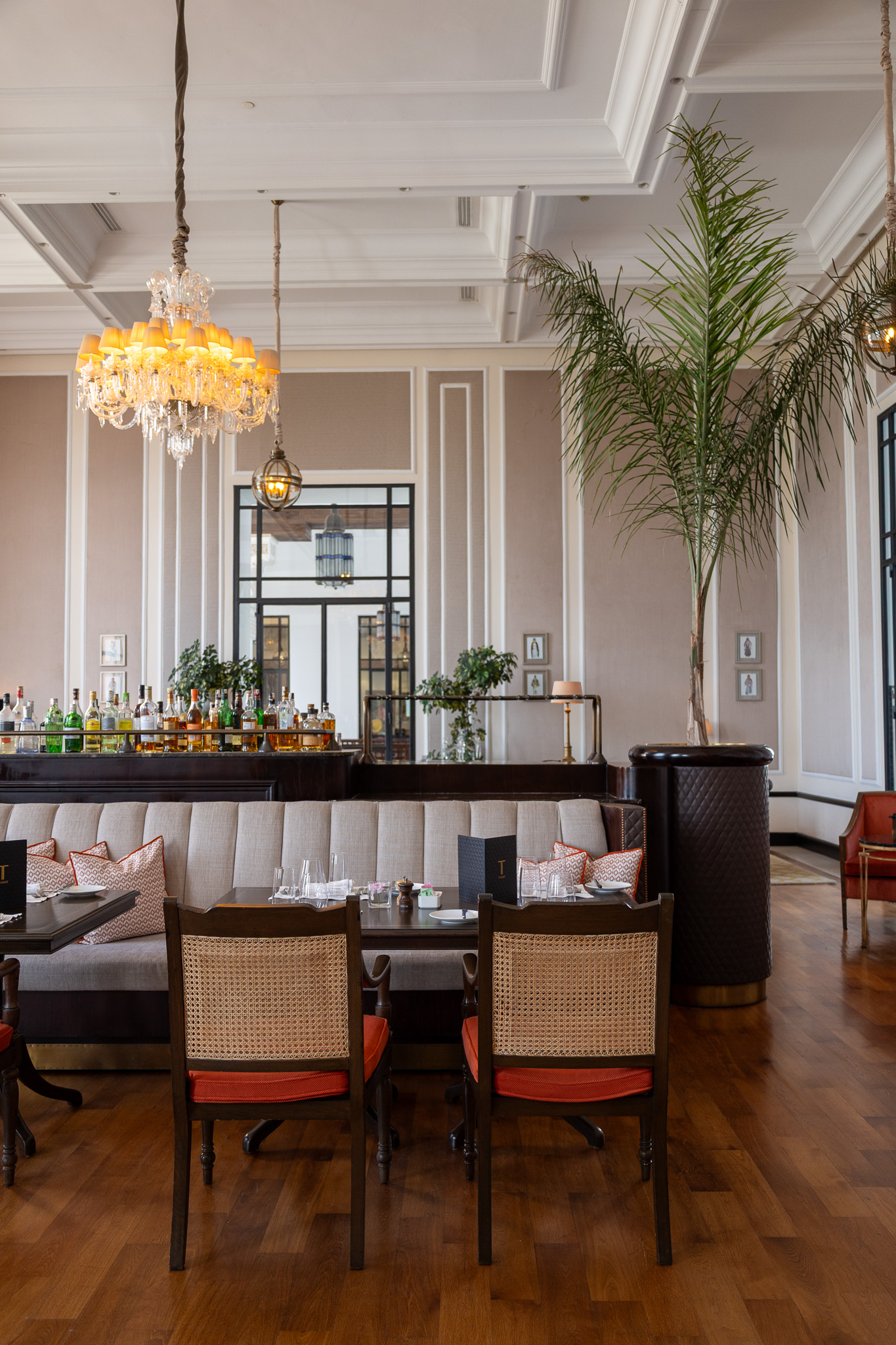
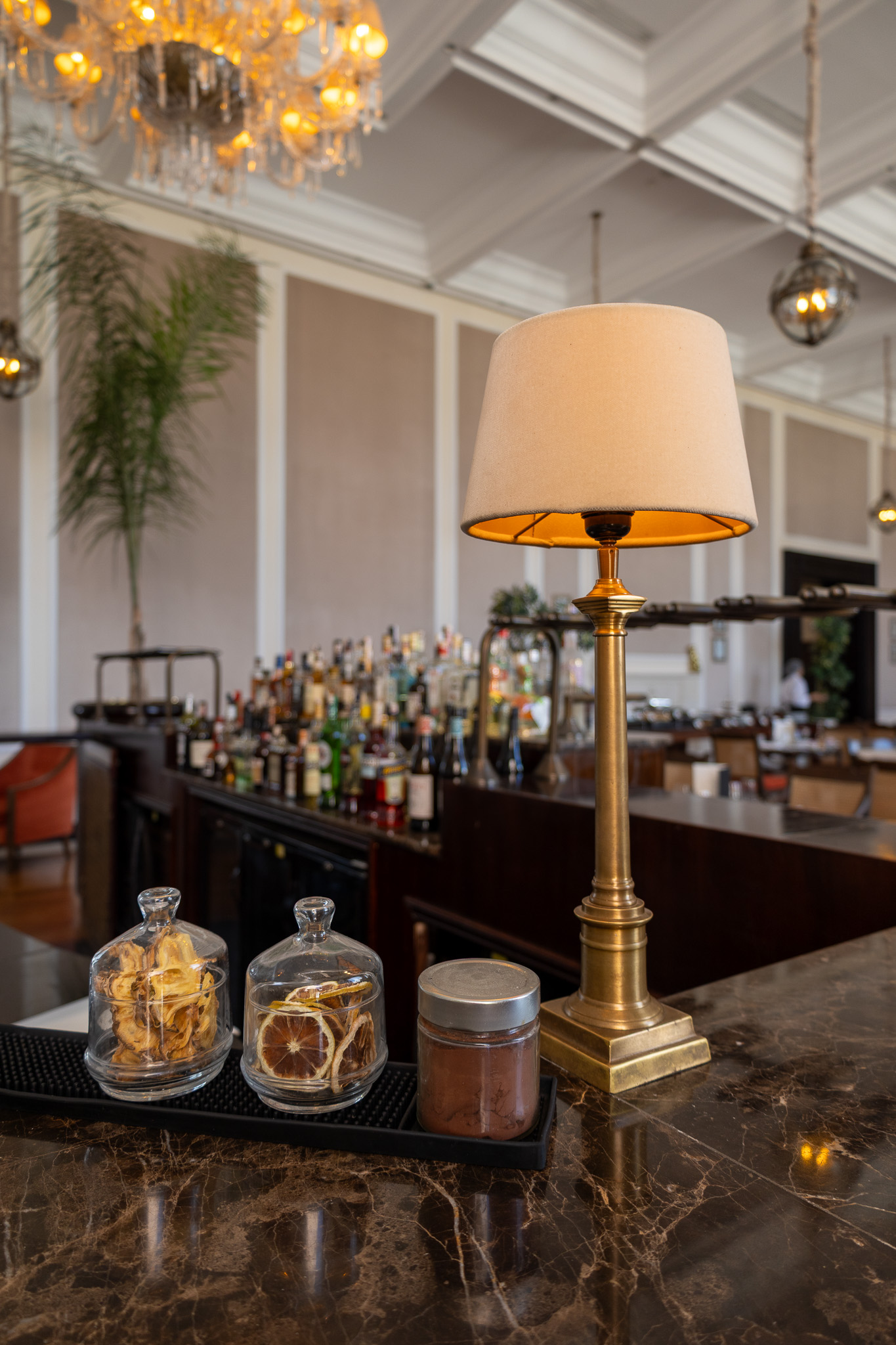
Then there is Tamimt, the resort's Michelin-starred dining room, where the kitchen makes an unexpected and beautifully executed pivot toward India, its dishes built on slow-layered spice work, smoke, and precision that rewards a leisurely, multi-course evening. To eat here after a day spent in Morocco's ochre light is its own kind of pleasure, two great culinary civilizations, in quiet conversation, on the same plate.
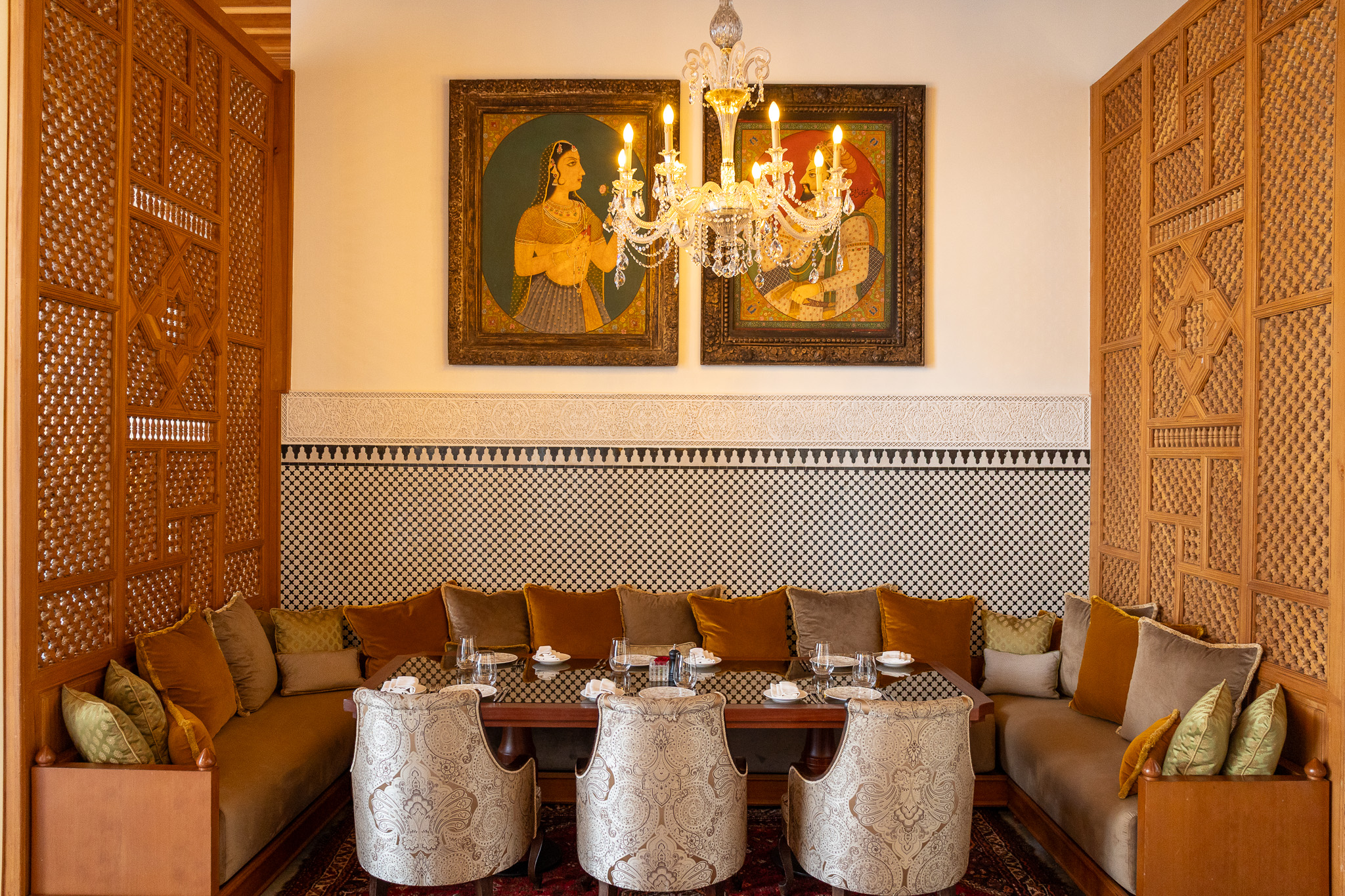
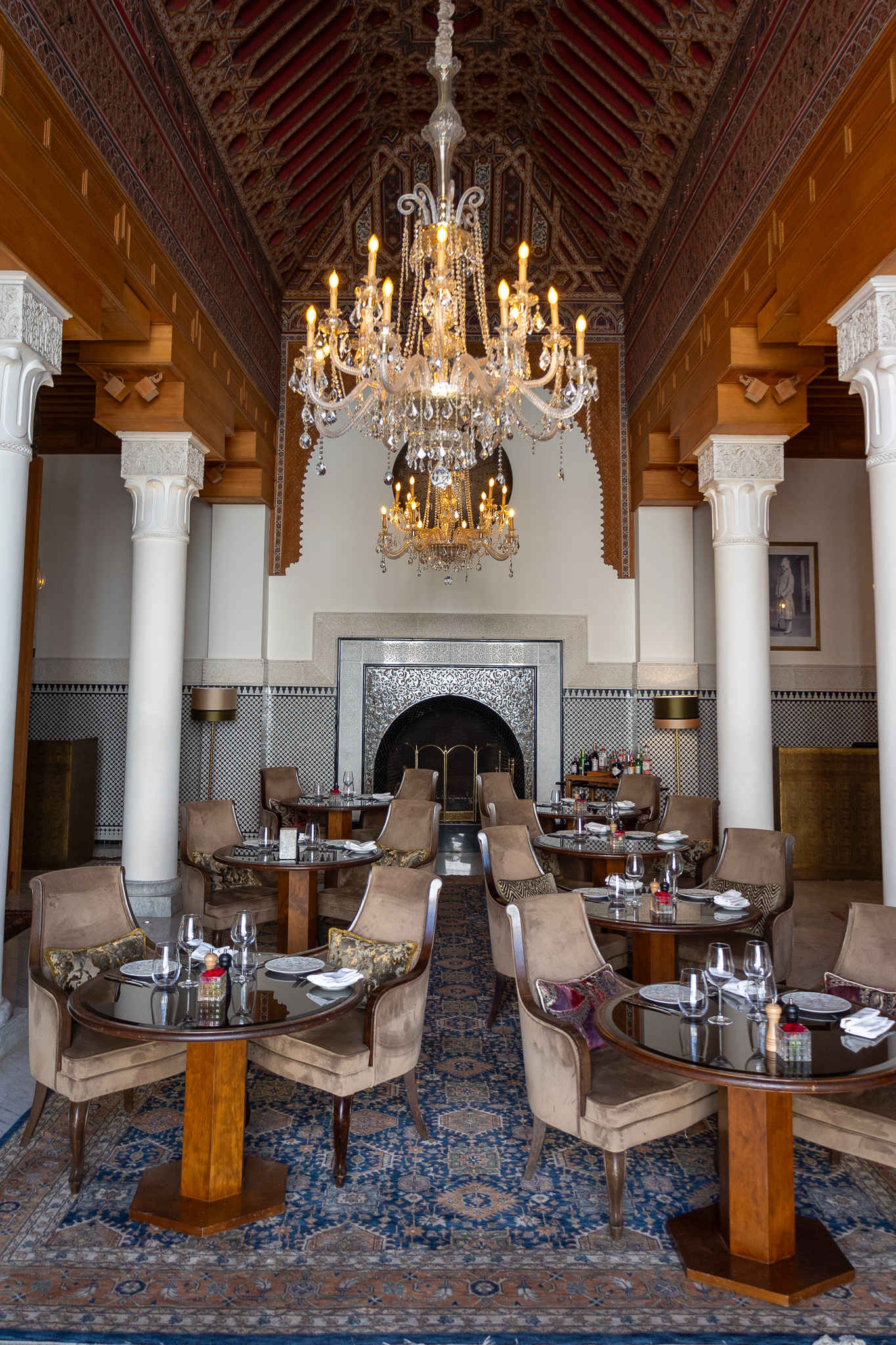
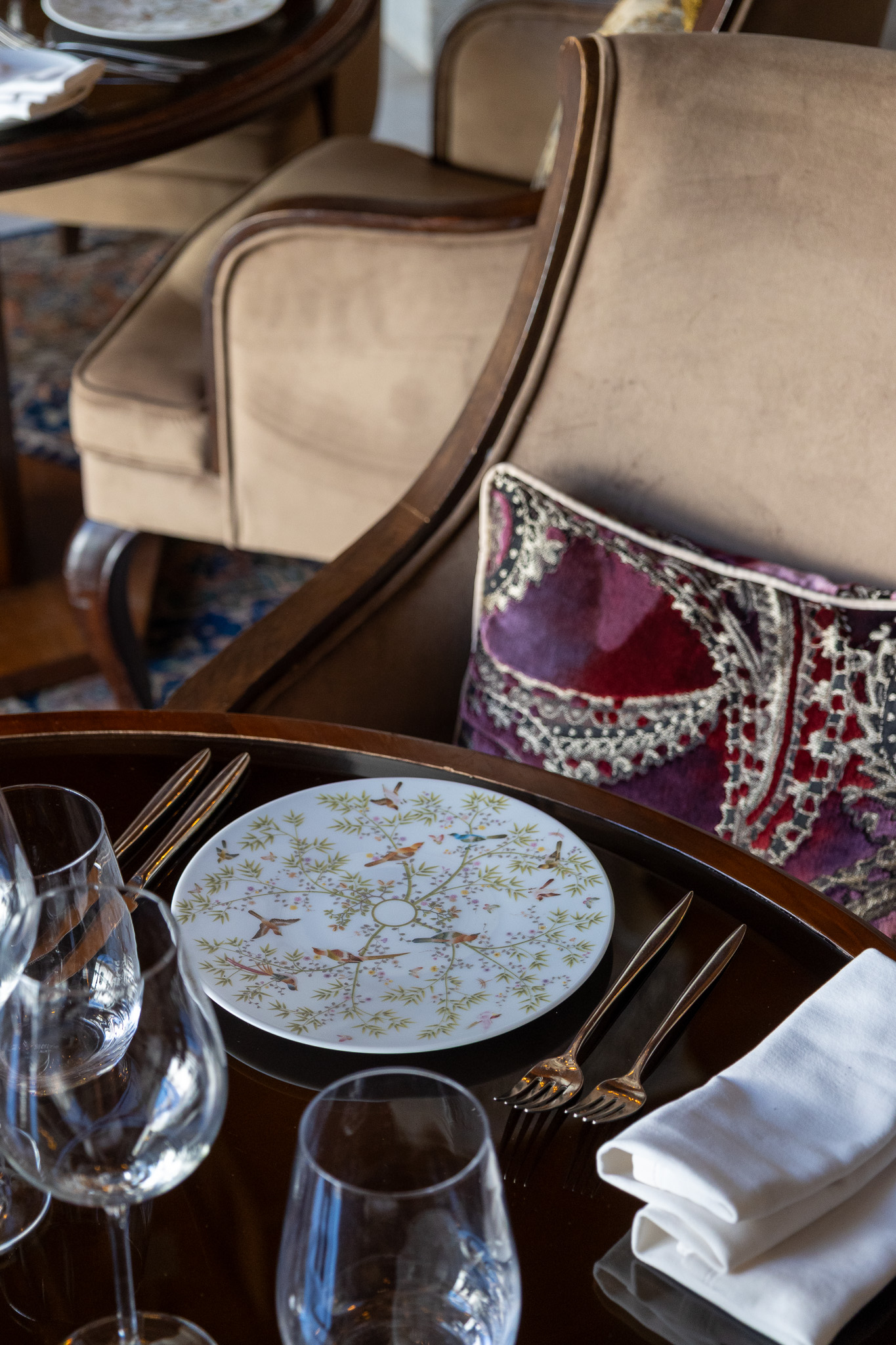
By day, Azur, poolside and sun-drenched, offers something lighter, a Mediterranean register of grilled fish, fresh herbs, and citrus, ideal for the languid lunches that seem to invent themselves here almost without effort. Each of the three rooms tells a different chapter of the same story, and taken together, they form something rare, a culinary program with genuine narrative coherence, rather than a scattering of concepts stitched together to fill a brochure.
Saha, The Art of Vanishing
If the villas offer solitude, the Saha Spa offers something closer to disappearance. Seven treatment rooms and an indoor pool compose this sanctuary, and its rituals draw directly from Morocco's ancient bathing traditions, the hammam chief among them.
I surrendered to the steam first, eucalyptus-scented, enveloping, the kind of heat that seems to loosen thought itself before it ever reaches the muscles. What followed, a black soap exfoliation, then an oil massage built on rhythms clearly older than the spa menu that describes them, felt less like a treatment and more like an inheritance, passed down through generations of Moroccan women and now offered, with great care, to a stranger passing through. This is wellness as memory, not trend. Nothing here chases the latest technique. Everything here trusts what has already been proven, over centuries, to work.
The Invisible Choreography of Service
What ultimately distinguishes a great hotel from a merely beautiful one is what happens when you are not looking, and it is here that The Oberoi Marrakech reveals its deepest sophistication.
The staff, trained in a hospitality tradition that treats anticipation as an art form, seem to know what you want slightly before you do. A shaded corner of the garden appears, unbidden, exactly when the afternoon sun grows too insistent. A private dinner beneath the stars materializes from a single, half-formed suggestion at breakfast. Requests are met not with the practiced efficiency of a five-star checklist, but with something warmer, a genuine, unhurried generosity that feels distinctly, unmistakably Moroccan.
This is luxury's most difficult trick, to be everywhere and nowhere at once, to attend to every need without ever making its presence felt as effort. The Oberoi Marrakech has mastered it completely.
A Portrait, Not a Postcard
To stay at The Oberoi Marrakech is to be handed a private key to Morocco itself, not the version sold in guidebooks, but the one that lives in its architecture, its gardens, its rituals of food and water and rest. It is a place built on the conviction that true luxury has never needed to shout. It simply needs to be exactly, precisely right, in the weight of a door handle, the temperature of a pool, the timing of a shaded table appearing just when the sun turns unkind.
I left slowly, the way one leaves a place that has quietly rearranged something inside you. Somewhere behind me, the fountains were still murmuring their small, endless stories to no one in particular. I understood, finally, why this palace at the foot of the Atlas has become the address that those who know Marrakech best return to, again and again, and why, for the rest of us, one visit is rarely enough to let it go.
The Oberoi, Marrakech, 11 hectares of garden, orchard, and unhurried grandeur at the gates of the Red City.